

What Is Wabi Sabi Wall Art? A Complete Guide for Modern American Homes
Walk into any interior design store or scroll through a home décor feed today, and you'll notice a quiet shift happening. Perfectly symmetrical, glossy, mass-produced prints are giving way to something softer, rougher, and far more human: wabi sabi wall art. If you've been searching for a way to describe that muted, textured, effortlessly calming style you keep seeing in modern American living rooms, bedrooms, and entryways, wabi sabi is the answer.
This guide breaks down exactly what wabi sabi wall art is, where the philosophy comes from, why it resonates so strongly with contemporary homes, and how to choose and style the right piece for your own space.
The Meaning Behind Wabi Sabi
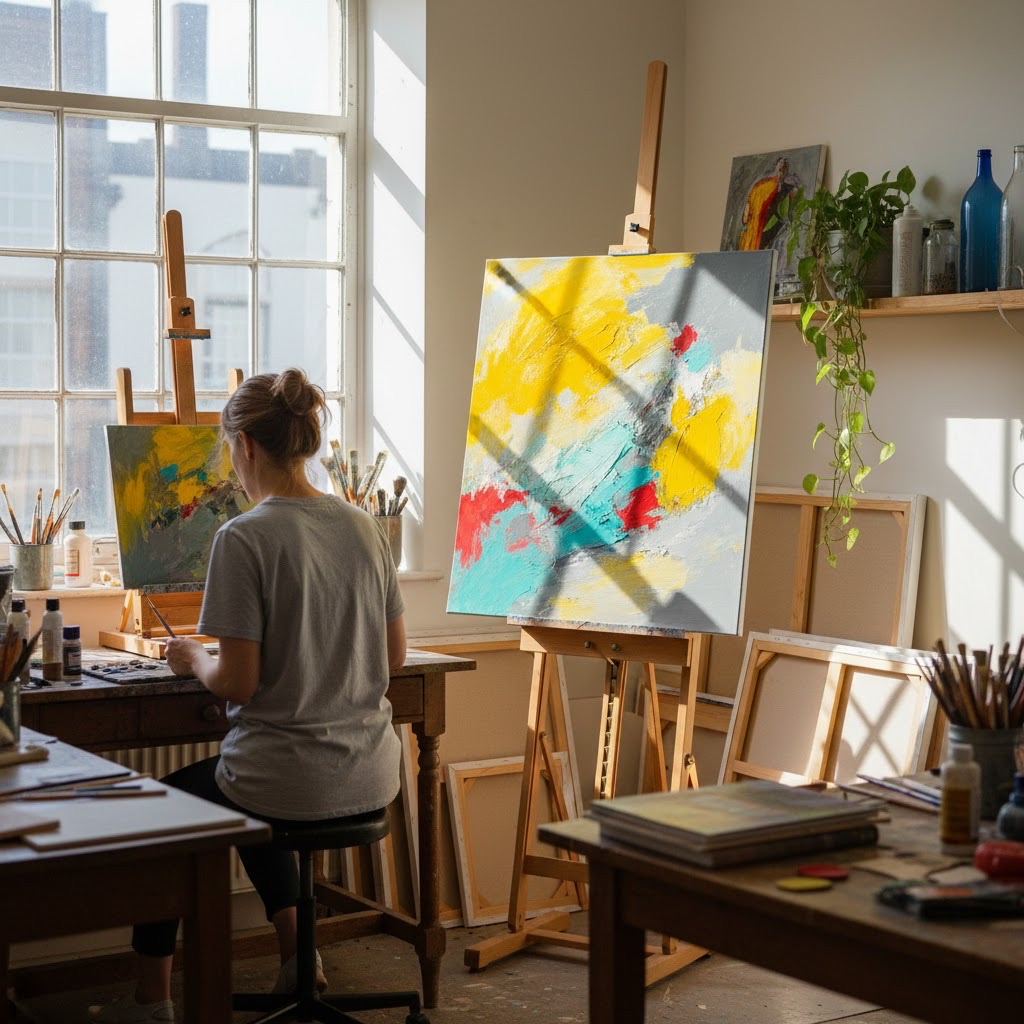
Wabi sabi is a Japanese aesthetic philosophy that finds beauty in imperfection, impermanence, and simplicity. The word "wabi" originally referred to the quiet melancholy of solitude and simplicity, while "sabi" described the beauty that comes with age and wear. Together, wabi sabi teaches us to embrace things exactly as they are — cracked, weathered, asymmetrical, unfinished — rather than chasing an artificial idea of flawlessness.
This stands in sharp contrast to the polished, symmetrical, factory-perfect aesthetic that dominated interior design for decades. Wabi sabi asks us to slow down and notice the crack instead of hiding it, to appreciate a surface that looks lived-in rather than one that looks brand new. It's less a style and more a philosophy — one that happens to translate beautifully into physical, tangible art for the home.
What Makes Wall Art "Wabi Sabi"?
Not every neutral-toned painting qualifies as wabi sabi. True wabi sabi wall art is defined by a handful of core characteristics:
- Handcrafted, never mass-produced. Wabi sabi art is made by hand, piece by piece, which means no two works are ever exactly alike.
- Raw, natural materials. Think lime plaster, raw canvas, clay, sand, and organic pigments — materials chosen because of how they age, not just how they look on day one.
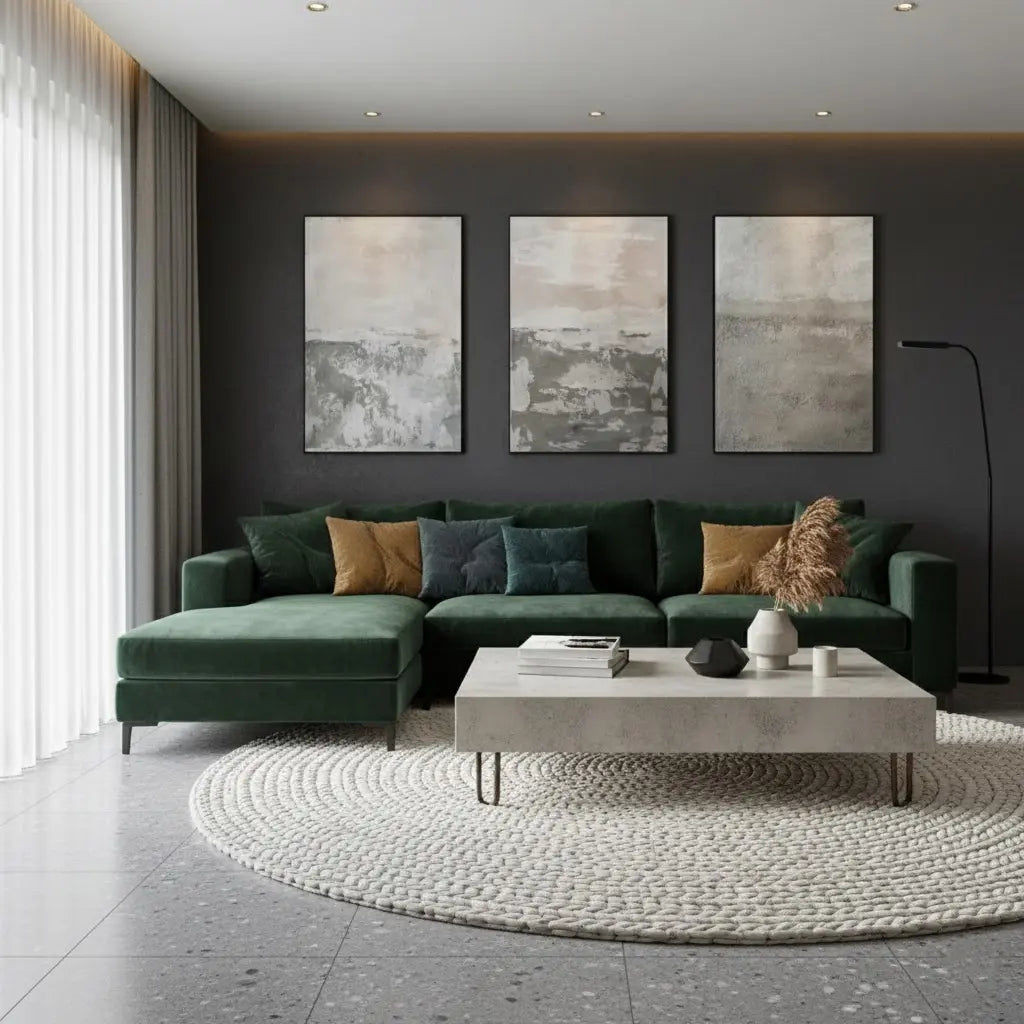
- Muted, earthy color palettes. Soft whites, warm greys, sandy taupes, deep charcoals, and muted ochres dominate wabi sabi pieces, allowing them to blend into a room rather than compete with it.
- Visible texture and imperfection. Cracks, uneven edges, and rough, sculptural surfaces aren't flaws to be corrected — they're the entire point.
- A sense of stillness. Unlike bold, graphic art meant to grab attention, wabi sabi pieces are designed to calm a room down, not energize it.
When these elements come together, the result is art that feels less like decoration and more like a natural extension of the wall itself.
Why Wabi Sabi Wall Art Fits So Well in Modern American Homes
American interiors have been moving steadily toward warmth, texture, and authenticity for years now — think Japandi, organic modern, and modern minimalism. Wabi sabi wall art fits naturally into this shift for a few key reasons.
It softens hard, modern lines. Contemporary furniture tends to favor clean edges and sleek surfaces. A textured, organic piece of wabi sabi art on the wall introduces contrast and warmth, keeping a room from feeling cold or sterile.
It works with neutral palettes, not against them. Because wabi sabi art leans on earthy, muted tones, it slots effortlessly into the beige, white, taupe, and charcoal color schemes that define so many modern American homes right now.
It doesn't go out of style. Trend-driven décor has a short shelf life. Wabi sabi art, by design, is meant to develop character over time rather than lose it — meaning the piece you hang today will feel just as intentional five or ten years from now.
It adds a story to the room. In a home filled with mass-produced furniture and décor, a single handcrafted, one-of-a-kind piece of wall art becomes an anchor of authenticity — something with a story, made by human hands, that nobody else's living room has.
Where to Use Wabi Sabi Wall Art in Your Home
One of the most appealing things about wabi sabi wall art is its versatility. Because the palette is so neutral and the mood so calming, it works in nearly every room of the house.
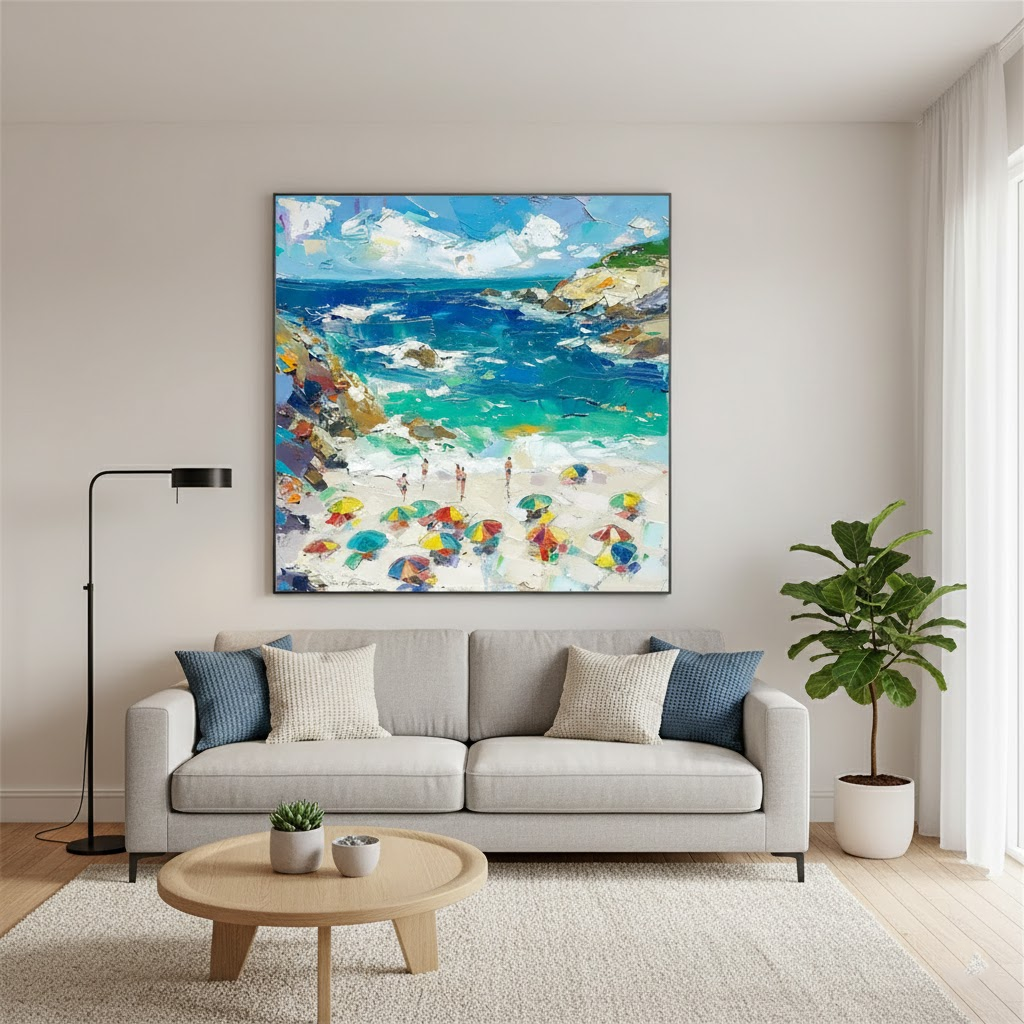
- Living rooms — Hung above a sofa or media console, a large-scale wabi sabi piece becomes an instant focal point that grounds the entire room.
- Bedrooms — Textured, muted art above the headboard brings warmth and calm to a space meant for rest, without introducing visual clutter.
- Entryways — A wabi sabi piece near the front door sets a quiet, intentional tone the moment guests step inside.
- Home offices — Sterile, all-function workspaces benefit enormously from the organic texture and depth wabi sabi art brings.
- Dining rooms — A textured, tactile piece adds conversation-worthy character to a room built around gathering and connection.
How to Choose the Right Wabi Sabi Piece for Your Space
Choosing wabi sabi wall art is less about matching paint swatches and more about matching mood. Here's how to approach it:
Start with the feeling, not the color. Ask what you want the room to feel like — calm and grounded, or a little more dynamic. Heavily textured plaster pieces lean toward stillness; softer abstract brushwork can add gentle movement.
Size up when in doubt. A single large piece tends to have far more visual impact in a modern space than several smaller ones scattered around.
Let texture lead in minimalist rooms. In a space with clean lines and few accessories, a deeply textured piece becomes the star of the room, adding depth where flat walls once felt empty.
Embrace the imperfections. A crack, a rough edge, an uneven surface — these aren't things to second-guess. They're exactly what wabi sabi is meant to celebrate.
Caring for Textured and Plaster-Based Wall Art
Because many wabi sabi pieces use natural materials like lime plaster and clay, a little extra care goes a long way:
- Keep pieces away from direct moisture and high-humidity areas like bathrooms.
- Dust gently with a soft, dry cloth rather than a damp one.
- Avoid harsh chemical cleaners on textured or plaster surfaces.
- Hang in a stable environment away from direct, prolonged sunlight to preserve natural pigment tones.
With basic care, handcrafted wabi sabi art is built to last — and, true to the philosophy behind it, to age beautifully rather than simply wear out.
Why Choose Handcrafted Over Mass-Produced Prints
It's worth pausing on why so many homeowners are moving away from printed canvases altogether. A printed reproduction can be bought by anyone, anywhere, in unlimited quantities. A handcrafted wabi sabi piece — like the original, textured paintings found in ArtiQuo's wabi sabi wall art collection — exists exactly once. It's shaped by a real artist's hand, using natural pigments and materials that shift subtly from piece to piece, meaning what hangs on your wall won't hang on anyone else's. For homeowners who value authenticity and craftsmanship as much as aesthetics, that distinction matters.
Frequently Asked Questions
Is wabi sabi wall art the same as abstract art?
Not exactly. Abstract art is a broad category defined by non-representational imagery, while wabi sabi is a philosophy centered on imperfection, natural materials, and muted tones. The two often overlap, but wabi sabi is defined more by texture, material, and mood than by subject matter.
Will wabi sabi art match my existing décor?
Because wabi sabi pieces rely on neutral, earthy palettes, they're designed to complement a wide range of interior styles, from warm minimalism to Scandinavian and Japandi design, without clashing with existing furniture or wall colors.
Is handcrafted wabi sabi art more expensive than printed wall art?
Generally, yes — handcrafted, one-of-a-kind pieces take significantly more time and skill to produce than a mass-printed canvas, and that craftsmanship is reflected in the price. Many homeowners see it as an investment in a truly original piece rather than a disposable decorative print.
Can I request a custom size or color palette?
Many artists and studios that specialize in wabi sabi art, including ArtiQuo, offer customization options so a piece can be adapted to fit specific wall dimensions or tonal preferences.
How do I know if a piece is genuinely handmade?
Look for natural variation — no two "matching" pieces should be perfectly identical. Visible brush texture, plaster relief, or subtle pigment shifts are all signs of authentic handcraft rather than a printed reproduction.
Conclusion
Wabi sabi wall art isn't just a passing design trend — it's a philosophy that has found a genuine home in modern American interiors. By embracing natural materials, muted palettes, and the quiet beauty of imperfection, wabi sabi pieces do what few decorative objects can: they make a room feel calmer, warmer, and more authentically yours. Whether you're anchoring a living room, softening a bedroom, or setting the tone in an entryway, a handcrafted wabi sabi piece brings something no printed canvas ever could — a genuine story, shaped by hand, made only once. If you're ready to bring that kind of intentional, textured beauty into your own home, explore ArtiQuo's handcrafted wabi sabi wall art collection and find the piece meant for your walls.